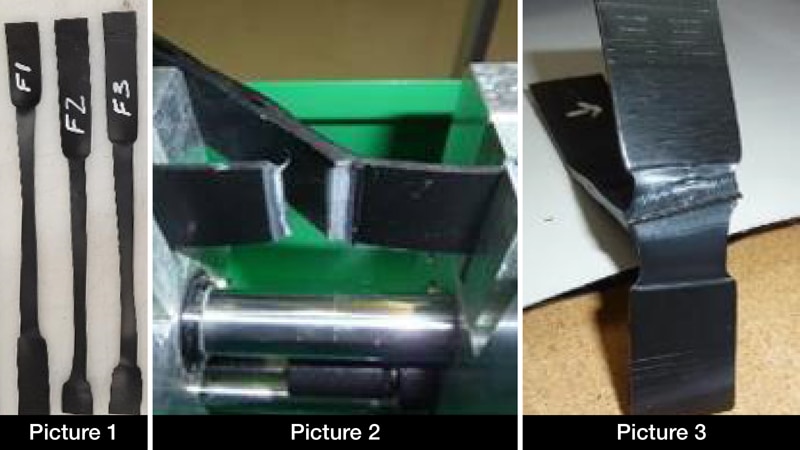
Imagen 1: Muestras que muestran signos de cuello o estiramiento.
Imagen 2: Una muestra que muestra una rotura limpia fuera de la soldadura.
Imagen 3: Esta muestra también superó los requisitos estándar. Pero también vemos que la membrana ha conservado la capacidad de estirarse y no romperse.
Pero cuando probamos, soldamos muestras en una prueba de pelado (2 piezas soldadas) en el tensiómetro. ¿Con qué frecuencia seguimos viendo el cuello como en la imagen 3? Lo que comúnmente y más a menudo vemos es una rotura limpia fuera de la soldadura como en la imagen 2 de arriba. Técnicamente esta muestra soldada pasó los requisitos tal y como los conocemos, pero ya no vemos ningún cuello.
¿No sería mejor si pudiéramos pasar los requisitos y aún así mantener esta característica deseable del material, pudiendo estirarse y aún así mantener su capacidad de contención?
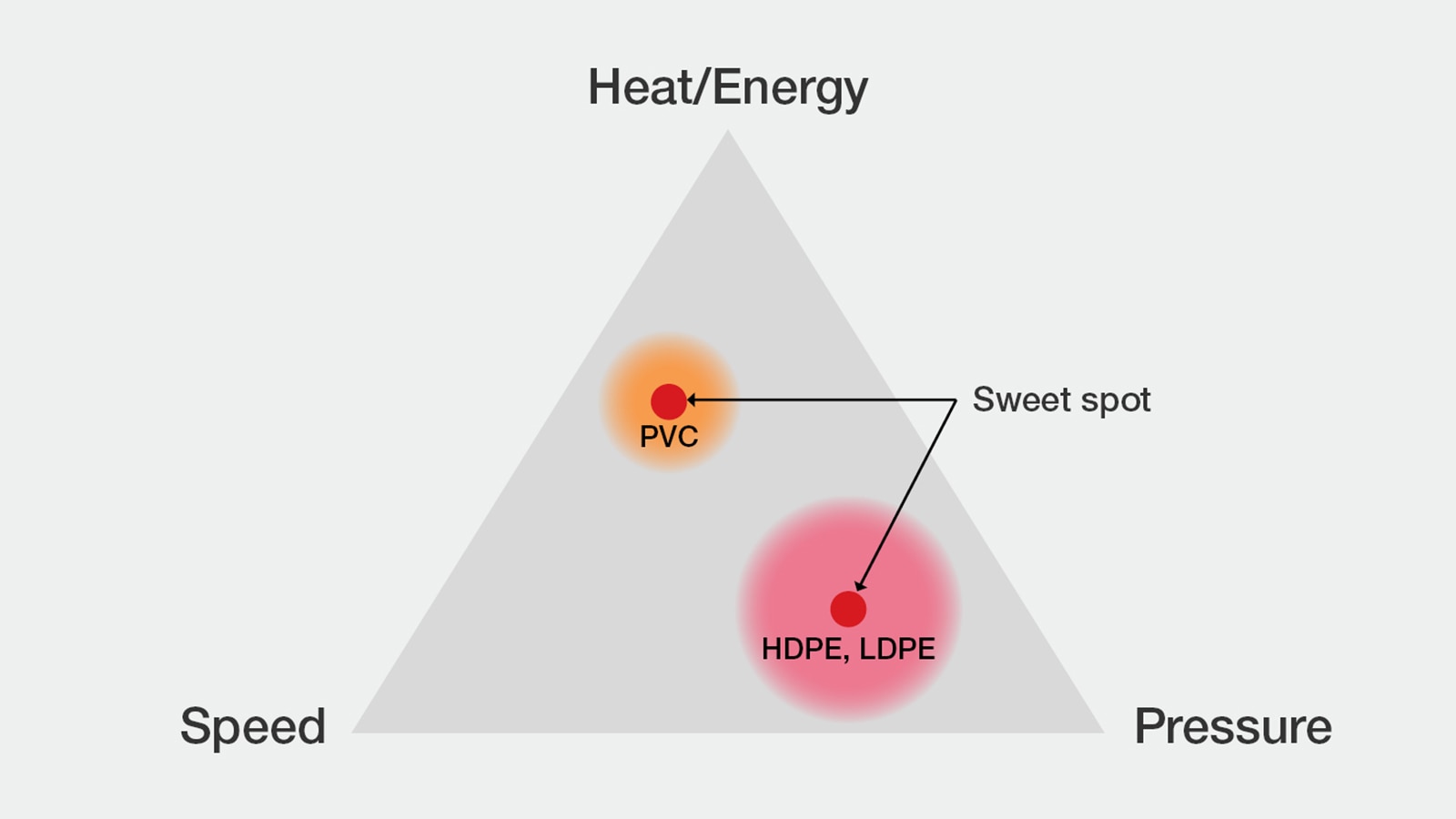
¿Con un resultado como el de la imagen 3 de arriba? Las dos soldaduras de la imagen 2 y 3 se hacen dentro de nuestra ventana de soldadura. Pero la soldadura en la imagen 3 fue dentro del punto dulce. Esto permite a la membrana mantener algunas características muy importantes, como la la capacidad de estirar. Y aquí es donde se encuentra la gran ventaja de la grabación de datos.
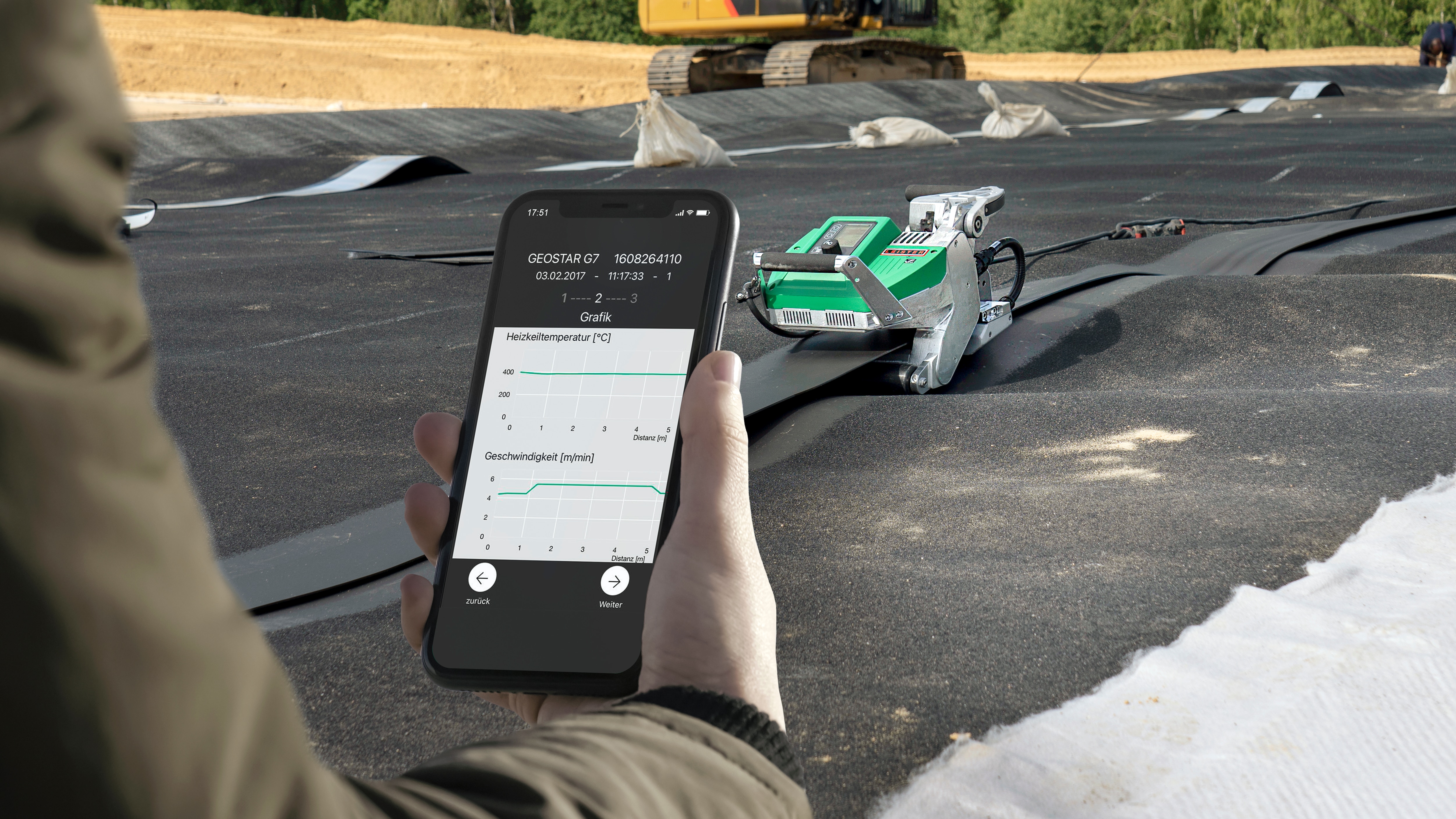
Las experiencias europeas han demostrado que el uso de esta tecnología puede conducir a grandes mejoras en la calidad general de la soldadura. Incluso se han reconocido estudios que demuestran que las fugas cero son posibles y no sólo un sueño imposible - Müller y Wöhlecke et el (2017).
¿Productividad sobre calidad?
Uno de los principales problemas que existen es el impulso de la productividad sobre la calidad. Esto lleva a medidas que a su vez no son beneficiosas para el proceso de soldadura. El instalador se enfrenta al hecho de que cuanto más rápido se instale el material, más rápido podrá pasar al siguiente trabajo. Esto lleva a inconsistencias en los parámetros de soldadura, otro problema es la falta de técnicos de soldadura debidamente capacitados. Estas son buenas razones por las que deberíamos usar un sistema de registro de datos como el LQS para ayudarnos a rastrear y mantener la consistencia de los tres parámetros de soldadura. Esto a su vez mejora automáticamente la calidad de la soldadura. LQS nos ayuda a mantener la calidad y mejorar la eficiencia al mismo tiempo. Si evitas los problemas de calidad, no pierdes el tiempo arreglándolos.
Soldar a temperaturas máximas
Otro problema común es ejecutar el proceso de soldadura a la máxima temperatura que la máquina permite. Esto resulta en una degradación de las características físicas dentro de los plásticos que se sueldan. Un buen ejemplo es la imagen 2, donde se puede ver que la soldadura aún pasó los requisitos estándar, pero se han perdido algunas características importantes. Lo más común es que veamos soldaduras que han sido hechas con demasiado calor. Estas soldaduras se rompen justo fuera de la soldadura. El material pierde su capacidad de cuello o estiramiento, si ha sido sometido a demasiado calor. En el peor de los casos, escuchamos que de 3 a 8 años más tarde las soldaduras se están rompiendo justo fuera de la zona soldada, dejando a la membrana incapaz de llevar a cabo su papel principal de contención.
¿Cómo ajustar la presión de soldadura correcta?
El ajuste de la presión de muchas máquinas de soldar Geo es un juego de adivinanzas, por no decir más, pero una vez más, es un ajuste crítico que juega un papel mucho más importante en la calidad de la soldadura de lo que la mayoría de la gente está dispuesta a reconocer. Si no hay suficiente presión se produce una mala unión de los materiales. Demasiada presión de soldadura significa que el material plastificado es exprimido sólo para crear lo que llamamos una soldadura fría. La soldadura fría también estará fuera del punto dulce de nuestra ventana de soldadura.
Entonces, ¿por qué tantas máquinas no tienen la capacidad de mostrar la presión de soldadura real?
Las máquinas necesitan cumplir ciertos estándares, pero aún no vemos requisitos para los límites de tolerancia, estándares de calibración o llamadas para sistemas de control de lazo cerrado para soldadores. Sin embargo, las máquinas de LQS cumplen todos los requisitos anteriores. Imagina si no hubiera normas de seguridad para los coches que viajan por nuestras carreteras públicas. Imagina el caos.
Al tener un sistema que lleva un registro de los parámetros de soldadura ideales, estaríamos un enorme paso más cerca de asegurar que las condiciones son las correctas para que se produzca una buena soldadura. Esos sistemas también pueden configurarse de manera que incluyan tolerancias mínimas y máximas para los tres parámetros críticos. LQS también hace posible mostrar constantemente el voltaje. La fluctuación de la tensión y la calidad del cable también es una causa importante de problemas cuando se trata de asegurar un rendimiento estable del equipo de soldadura.
Todo esto entonces establece el escenario para la "Pruebas destructivas inteligentes" que pueden aplicarse junto con los datos registrados para establecer cuándo y dónde deben realizarse las pruebas. Sería entonces mucho más fácil para un inspector o propietario determinar, a partir de los datos registrados, dónde pueden encontrarse los posibles problemas. Usada adecuadamente esta tecnología podría ser la base para sentar las bases de cómo la soldadura y las pruebas destructivas podrían llevarse a cabo en el futuro. Es común en algunos países que el inspector examine los datos de soldadura para decidir de dónde se tomarán los ensayos destructivos. Estamos firmemente convencidos de que nuestro objetivo debería ser mejorar la calidad de la soldadura. Todos conocemos la expresión "la cadena es tan buena como el eslabón más débil". Ahora el eslabón más débil es la soldadura. La tecnología está disponible para ayudarnos a mejorar nuestra soldadura, ¿por qué no la aprovechamos al máximo? En el futuro también planeamos incorporar otros "Equipos de soldadura y prueba inteligentes" como "Extrusoras inteligentes" y "Tensiómetros inteligentes". Este equipo también registraría y documentaría los parámetros pertinentes para la adquisición de datos y el control de calidad y haría coincidir automáticamente los resultados de las pruebas con los datos de la soldadura, con lo que la documentación sería aún más completa.