Autore: Silke Landtwing, Corporate Communications Manager, Leister Svizzera
Il tunnel è originariamente buio. I lucioperca (nome scientifico: sander vitreus) sono pesci predatori ed è quindi più probabile che si trovino sul fondo dei laghi, in quanto non vogliono essere visti dalle loro prede e dai loro nemici. Acqua: L'acqua è un problema nel tunnel, per questo motivo le pareti sono rivestite con membrane impermeabilizzanti in plastica. Queste vengono poi saldate con apparecchiature Leister. Il lucioperca ha bisogno di acqua per vivere, e più l’ambiente è pulito meglio è. È qui che i fili si uniscono, grazie alla start-up 'Basis 57 nachhaltige Wassernutzung AG' a Erstfeld, Svizzera.
Utilizzo sostenibile dell'acqua dalla galleria di base del San Gottardo
L’impermeabilizzazione del tunnel di base del Gottardo, lungo 57 km, è stato un progetto importante per Leister, di cui abbiamo parlato nel nostro blog.
L'acqua di montagna, drenata dalla galleria di base del Gottardo della NFTA (Nuova Trasversale Ferroviaria Alpina) attraverso membrane di plastica saldate con attrezzature Leister, non solo è particolarmente pulita (quindi estremamente adatta ai pesci), ma anche perfettamente temperata a 12 - 14°C / 53,6 - 57,2 °F.
Le menti creative di "Basis 57" hanno quindi pensato di utilizzare quest'acqua in modo sostenibile e sensato. C'erano molte idee. Fra queste, anche la produzione di birra ne faceva parte. Come allevare pangasi o bottatrici. Il lucioperca, conosciuto anche come walleye, alla fine ha vinto. Perché? Lo scoprirete in questo post, in quanto siamo stati sul posto e abbiamo visitato le strutture di allevamento.
Alcune anticipazioni: tutti coloro che amano mangiare pesce possono essere felici. Dato che il walleye è un pesce commestibile particolarmente nobile e buono, sarà presto disponibile anche in questo paese presso l'allevamento ittico sostenibile di Uri, grazie a 'Basis 57'.
Informazioni sull'azienda 'Basis 57’
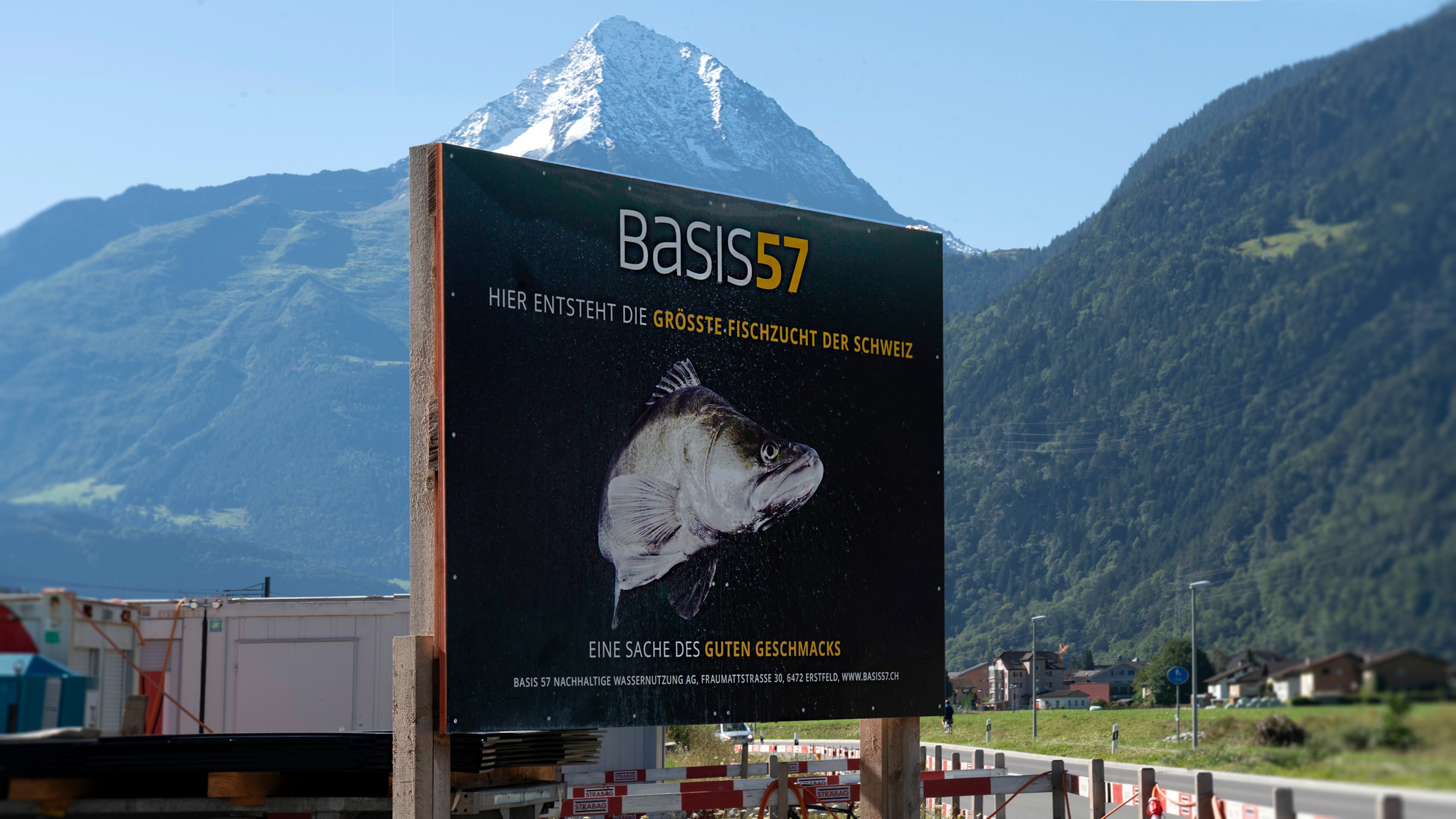
"La start-up 'Basis 57 nachhaltige Wassernutzung AG' - che sta per 'Basis 57, corporazione per l'uso sostenibile dell'acqua' - è stata fondata più di dieci anni fa, quando il progetto NEAT era al suo apice", ci spiega Myriam Arnold, responsabile comunicazione e marketing di 'Basis 57'. Quando si è trattato di capire come utilizzare l'acqua di montagna in modo sostenibile, sono state discusse molte possibilità. "Dopo una serie di valutazioni, il maggior potenziale è stato visto nel pesce commestibile, ed è per questo che 'Basis 57' si sta concentrando sull'allevamento di lucioperca. Ciò con l'obiettivo di crescere questo tipo di pesce nel cantone di Uri in modo sostenibile", continua Myriam Arnold.
Scopri di più su 'Basis 57'
Allevamento in acqua di lucioperca
Solt Sokoray-Varga, responsabile di produzione per la piscicoltura a 'Basis 57', è stato professionalmente impegnato nell'allevamento del lucioperca per molti anni.
Nota dell'autore: i lucioperca da allevamento a ‘Basis 57' pesano circa 10 g (più o meno la dimensione di un dito). Potete trovare maggiori informazioni sul sito web dell'azienda.
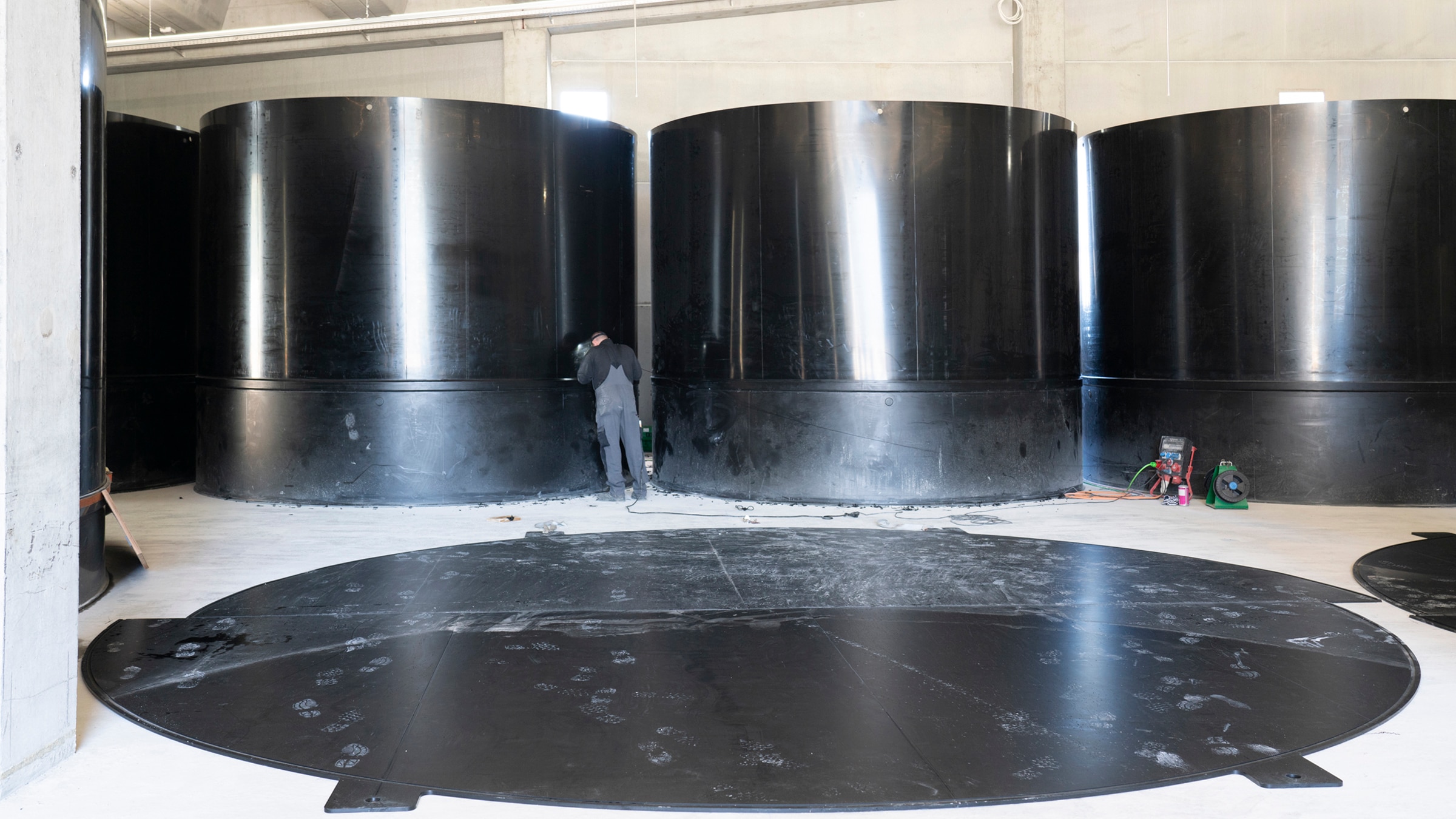
Mentre Solt Sokoray-Varga ci mostrava le vasche di plastica nell’allevamento con le uova di lucioperca, siamo stati in grado di imparare da lui tantissime cose. Oltre al fatto stesso che non è un compito facile allevare il lucioperca. Anzi, richiede molta esperienza e tatto: i pesci predatori sono sensibili e hanno bisogno di buio, tranquillità, acqua pulita e alla giusta temperatura, e cibo secco dosato con precisione, in modo che si sentano bene e crescano sani. Questo è un altro motivo per cui il benessere dei pesci è la priorità assoluta nell'allevamento del lucioperca. Solt Sokoray-Varga sa, per esperienza, che "se il walleye non è comodo, non cresce".
Buone ragioni per la sostenibilità l’allevamento del lucioperca
In Svizzera, fino a questo momento, ci sono pochi allevamenti di lucioperca. Uno di questi è realizzato dalla società 'Basis 57'. Ciò rappresenta un vantaggio sul mercato e, oltre alla popolarità del walley come pesce commestibile, è una delle diverse ragioni per cui 'Basis 57' ha scelto il lucioperca nonostante tutte le sfide.
Grazie alla sua carne bianca e tenera, e con l'inconfondibile gusto delicato dei filetti disossati, il lucioperca (nome scientifico: sander vitreus) è un pesce molto ricercato. Un altro punto importante: Il consumo di pesce in Svizzera è costante. Ne arrivano circa 70'000 tonnellate ogni anno sui piatti. La maggior parte dei lucioperca (oltre il 90%) deve essere importata. Per tutti quelli interessati a conoscere le vie brevi di trasporto, la cura degli animali, l'allevamento sostenibile ed ecologico del pesce in acque pulite, sarà sicuramente preferito il walleye di Uri.
Perché le vasche per la piscicoltura sono realizzate in materiale termoplastico?
Nella piscicoltura si utilizzano spesso, oltre a vasche in plastica, anche recipienti in cemento armato o in altri materiali. Abbiamo chiesto all'amministratore delegato, Thomas Gisler, il motivo per cui la direzione di 'Basis 57' ha deciso di usare vasche in plastica in PE: